We do not all see the same reality.
What we perceive shapes what we are able to recognize, and what we do not perceive shapes what remains possible.
What we see is shaped by what we have lived.
We never look from nowhere. Attention makes visible what might otherwise remain unseen.
What we perceive shapes what we are able to recognize, and what we do not perceive shapes what remains possible.
NEIGHBOURHOODS
The space
between.
Where institutional power meets everyday life. Where decisions made at a distance meet a reality that cannot be fully captured by data, policy or systems. Not two separate worlds. One reality, in relationship.
Where decisions made at a distance meet lived reality up close. Where policy seeks to reach people, yet human reality cannot be understood from a distance. Where data, frameworks and systems meet a face, a voice and a lived experience.
Labels, then possibility.
A label can name something. It becomes a boundary when it determines what we are still able to see.
Potential is not always unseen. Sometimes the conditions for seeing it are simply absent.
A system's greatest blind spot may be the way it sees.
Before asking others to see differently, we examine the observer through whom we see.
I did not set out to create a philosophy. I discovered I had been living one.
What becomes possible when we learn to perceive differently? That question has been with me longer than I had words for it. My way of perceiving has been shaped by:
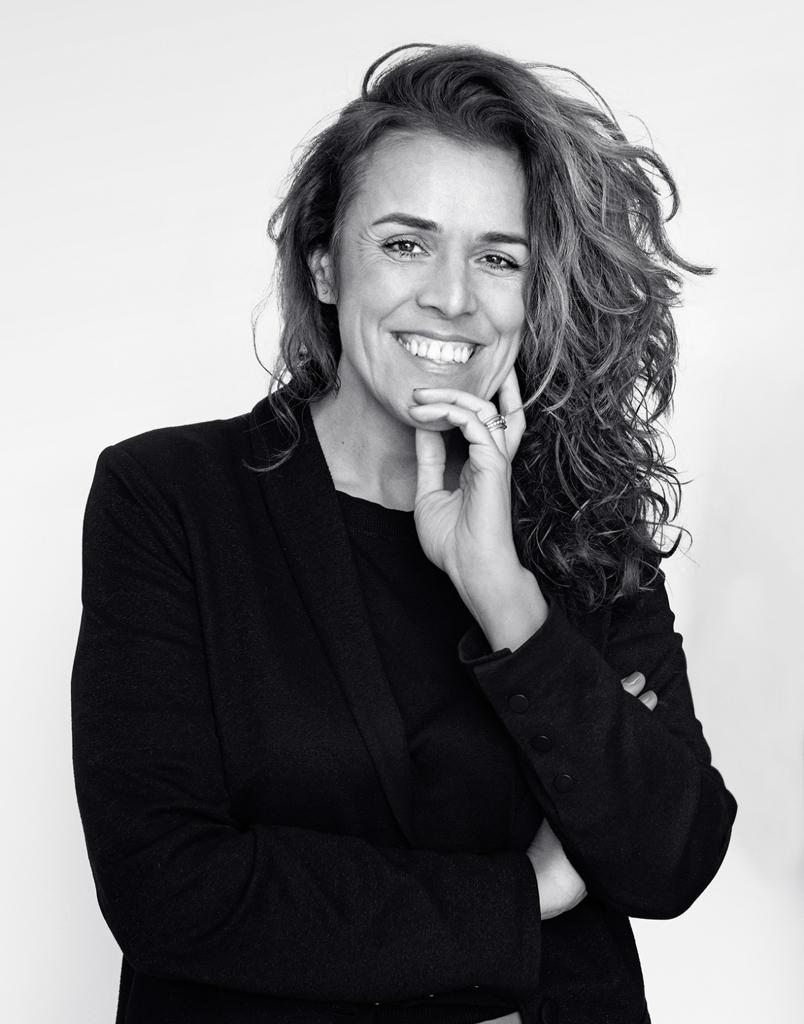
I work where people, institutions and systems lose sight of one another. For more than three decades, I have moved between worlds that do not always speak the same language. Again and again, the same questions returned: what do we see when we are truly present? And what remains outside our view when we are too quick to believe we already know?
My uncle Dragoljub Đuričić, a self-taught drummer and one of the most distinctive musicians of his generation. He taught me something I understood long before I had words for it: never move ahead of people, move with them, and leave no one behind. It shaped the way I learned to be present, to listen, and to notice what happens between people. Only much later did I recognise that this was also where my own way of perceiving began.
My Montenegrin roots are not a footnote to my work. They are part of the lens through which I see.
A heritage of rhythm, listening, service and presence, lived before it was ever explained. Not a footnote to the work. The lens itself.
All these worlds eventually revealed themselves as one field of inquiry: human perception.
What becomes possible when we change the quality of perception through which we see people and systems?
Human
Perception
Philosophy
A philosophy exploring how the quality of human perception shapes leadership, trust, belonging, potential and the realities we create together.
From perceiving to making possible. Human Perception Philosophy does not begin with a solution. It begins with a question: what might we see when we first examine how we look? From there, a movement unfolds.
Perceive
Who is looking?
Be present
What becomes visible when I resist the urge to interpret too quickly?
Expand
What does my current frame leave out?
Recognize
What becomes possible when what is unseen becomes genuinely visible?
Make possible
What can we create from what we are now able to perceive?
Everything begins with the way we perceive. What becomes visible changes what we can recognize. What we recognize changes what we believe is possible and what we believe is possible changes what we can create together.
Between person and system. Between lived experience and policy. Between what is visible and what has yet to be seen.
And that is where responsibility begins. Not only in what we do with what we see, but in how we choose to perceive.
Already moving through
different worlds.
This way of seeing is not new. It has grown across three decades of moving between worlds. Not as one straight line, but as an increasingly precise way of seeing.
Across all these worlds, one question kept returning: what becomes possible when we learn to perceive differently?
Human Perception Philosophy is not a model to adopt. It is an invitation to explore together.
What we see, what we miss, and what becomes possible when we learn to perceive differently.
- For leaders who want to explore a question.
- For organisations that want to look differently at human potential.
- For universities and researchers who want to challenge a new perspective.
- For stages where a different conversation is needed.
What would you like to explore?
We do not all see the same reality. The question is what we are willing to learn to see.